Dutch Hunger Winter
Vertical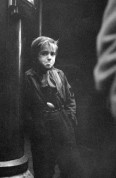 Photographed during the Dutch Hunger Winter, which lasted from the start of November 1944 to the late spring of 1945, a Dutch boy waits at a restaurant with a spoon tucked into his waistband. Epidemiologists have been able to follow the long-term effects of the famine on those who lived through it, and have even seen its effects in the next generation. Kryn Taconis/Library and Archives Canada/PA-169941 | Horizontal Photographed during the Dutch Hunger Winter, which lasted from the start of November 1944 to the late spring of 1945, a Dutch boy waits at a restaurant with a spoon tucked into his waistband. Epidemiologists have been able to follow the long-term effects of the famine on those who lived through it, and have even seen its effects in the next generation. Kryn Taconis/Library and Archives Canada/PA-169941 | Thumb Photographed during the Dutch Hunger Winter, which lasted from the start of November 1944 to the late spring of 1945, a Dutch boy waits at a restaurant with a spoon tucked into his waistband. Epidemiologists have been able to follow the long-term effects of the famine on those who lived through it, and have even seen its effects in the next generation. Kryn Taconis/Library and Archives Canada/PA-169941 |