fish farm
Vertical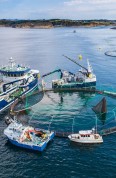 A typical open-net salmon farm in Bergen, Norway with around 800,000 fish crowded into twelve cages, leaving the fish vulnerable to parasites and pathogens. Waste—excess feed, chemical residue, and fecal matter—is flushed out of the cages by the ocean but settles on the seabed below and forms a layer of slime that smothers marine life. MARIUS DOBILAS/SHUTTERSTOCK | Horizontal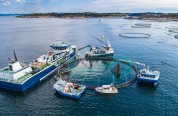 A typical open-net salmon farm in Bergen, Norway with around 800,000 fish crowded into twelve cages, leaving the fish vulnerable to parasites and pathogens. Waste—excess feed, chemical residue, and fecal matter—is flushed out of the cages by the ocean but settles on the seabed below and forms a layer of slime that smothers marine life. MARIUS DOBILAS/SHUTTERSTOCK | Thumb A typical open-net salmon farm in Bergen, Norway with around 800,000 fish crowded into twelve cages, leaving the fish vulnerable to parasites and pathogens. Waste—excess feed, chemical residue, and fecal matter—is flushed out of the cages by the ocean but settles on the seabed below and forms a layer of slime that smothers marine life. MARIUS DOBILAS/SHUTTERSTOCK |